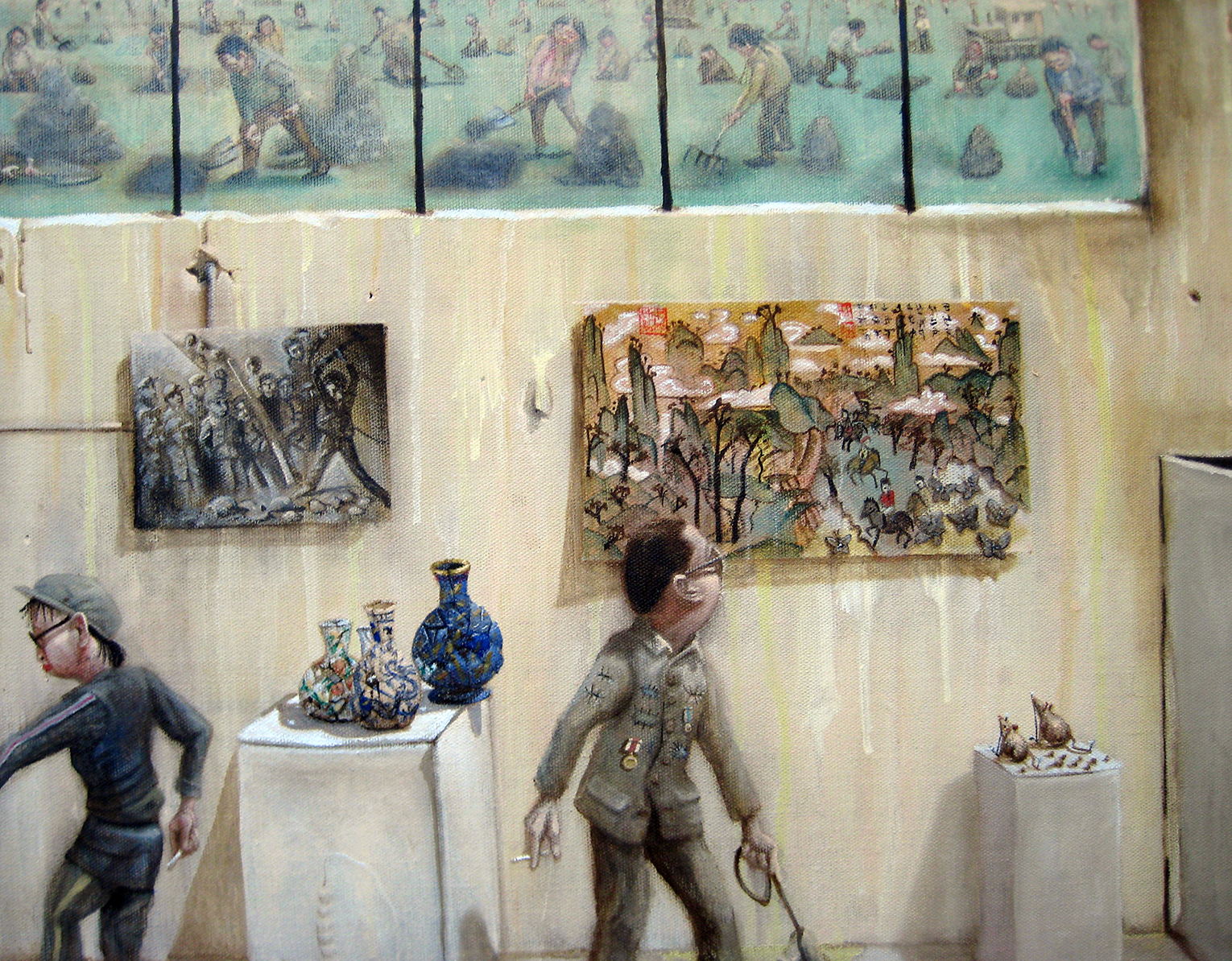
They turned the cemetery into a hospital then the hospital into a grain warehouse and then into an art museum.
Australian Galleries, 28 Derby St. Collingwood, May 30 – June 17

A narcissist requires a world available to interpretation, nothing is defined or acted upon by the past or the people from it. Descartes talked about empting every belief out of your head like empting a barrel of apples and then carefully examining every belief and only returning those beliefs to the barrel that pass your particular standards or in the Cultural Revolution’s case those apples that are “useful “.


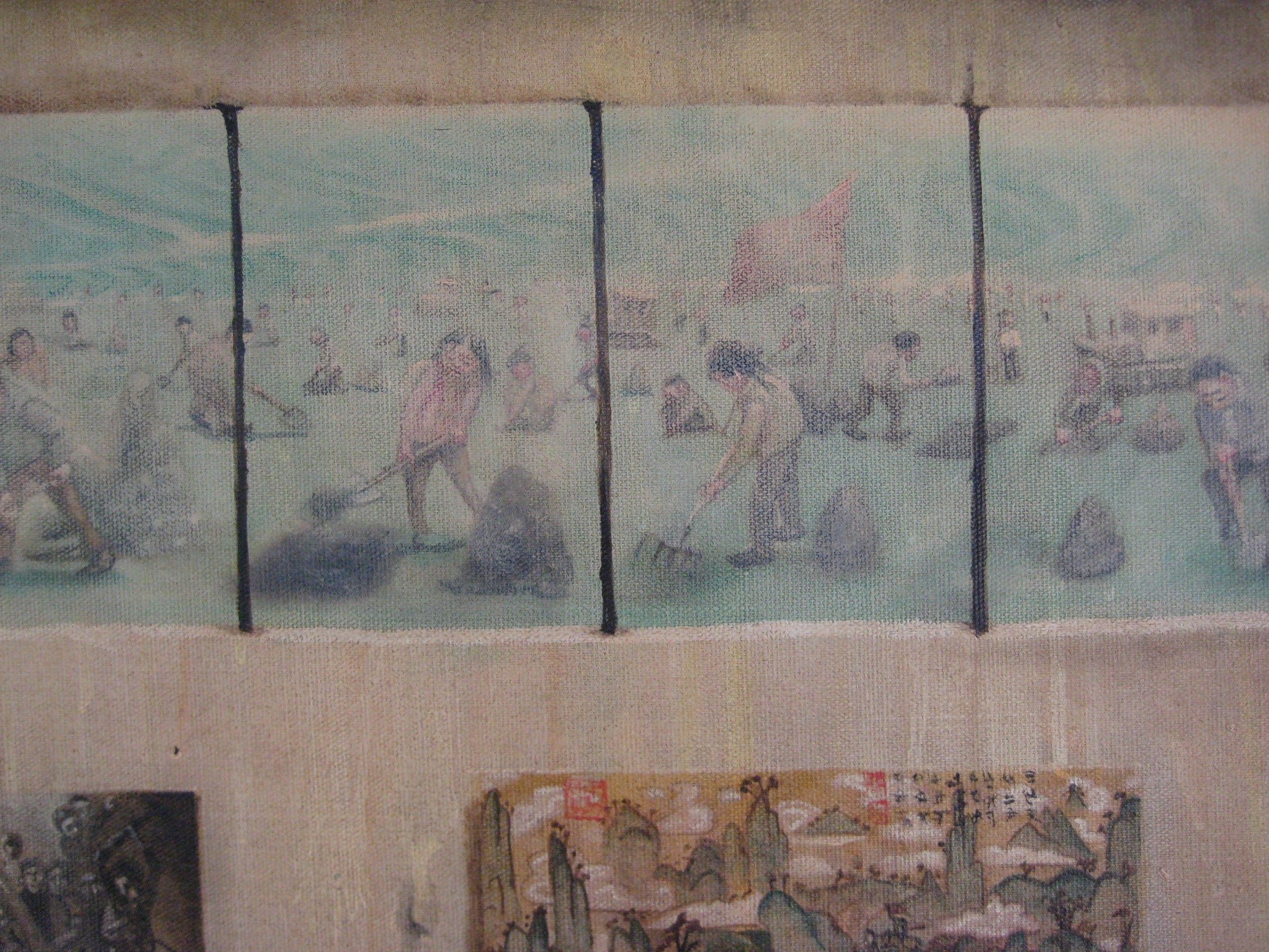
add field deatail
“The Great Leader Declared War on the Four Pets”
Australian Galleries, Melbourne, May 30 – June 17. Opening Tuesday May 30th 6-8pm

The “Four Pests” campaign was introduced in 1958 as a hygiene campaign aimed to eradicate the pests responsible for the transmission of pestilence and disease: the mosquitos responsible for malaria, the rodents that spread the plague, the pervasive airborne flies and the sparrows -specifically the Eurasian tree sparrow – which ate grain seed and fruit.
With no sparrows to eat them, locust populations ballooned, swarming the country and compounding the ecological problems already caused by the The Great Leap Forward, including widespread deforestation and misuse of poisons and pesticides. Ecological imbalance is credited with exacerbating the The Great Chinese Famine. The Chinese government eventually resorted to importing 250,000 sparrows from the Soviet Union to replenish their population.
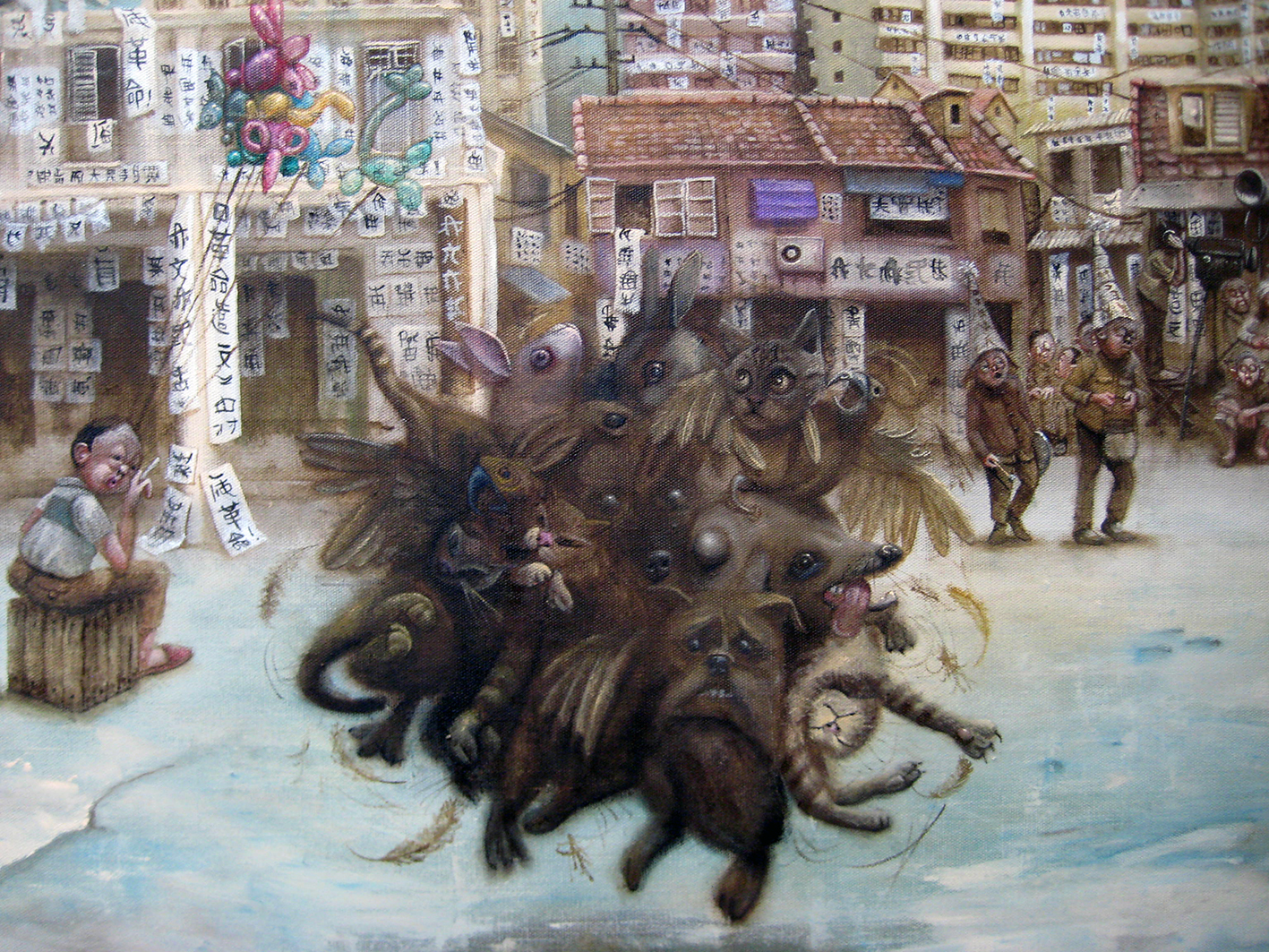
The Cultural Revolution had rejected the five values of Confucianism – kindness, righteousness, propriety, wisdom and faith and replaced them with lists of things or reasons to; hate, suspect, fight and report. The “Nine Black Categories” were landlords, rich farmers, anti-revolutionaries, bad influences, right-wingers, traitors, spies, capitalist roaders and (ninth) intellectuals. In November 1951, Mao formally launched the Three Antis Campaign (san fan). Its purpose was to eradicate three specific ‘evils’: corruption, waste and bureaucracy
A second campaign, the Five Antis (or wu fan), was launched in early 1952, almost concurrently with san fan. The five ‘evils’ nominated by Mao were bribery, tax evasion, theft of state property, cheating on government contracts and stealing economic information.

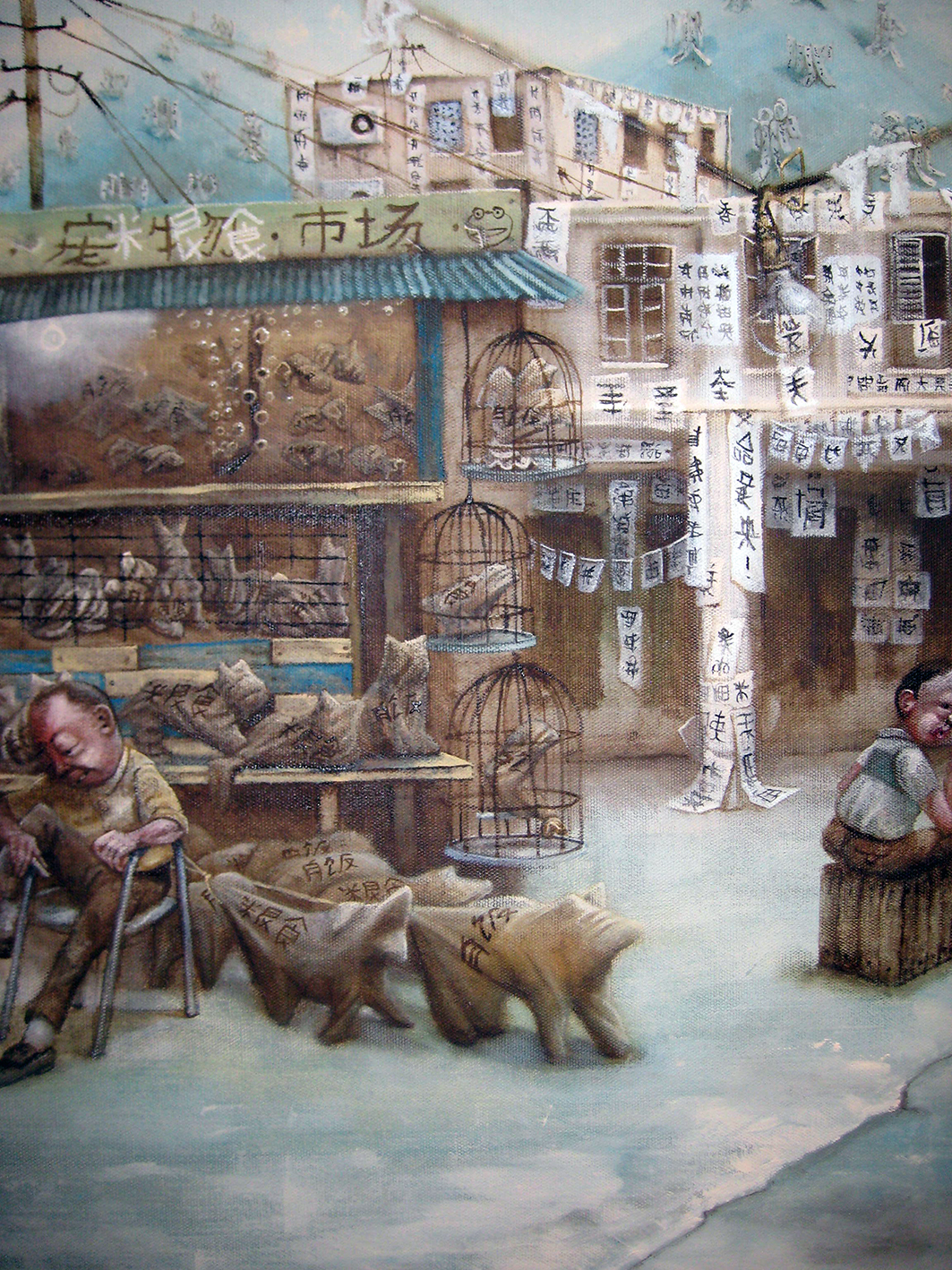
All of these party enemies and behaviours were to be surveilled, policed and fought by all citizens during the Cultural Revolution. Of course, the easiest way not to fall into one of the categories was to accuse and hate as many of these party enemies as you find, imagine or lie about. The process of avoiding being accused started with writing accusations about people in your town, that you barely knew, on big poster paper and pasting it on public buildings. With the support of other like-minded people, you then organise a struggle session where you could be seen accusing your target person of the impossibility of not avoiding one category of the impossible to remember-never ending list – of anti-party behaviours. Mao had learnt from the Catholic Church that you must keep creating sins to keep ahead of your power to forgive them.

The war on the four pets: budgerigars, cats, dogs and rabbits was a logical reaction to a political program that had exhausted the conflict weary population to the point that they could only experience the world as being on one side or the other of a political and social see-saw. Having fought with and against friends and enemies again and again, declaring war on domestic animals was a state sanctioned (no apology needed) form of forgiving each other.
 cameronkhayes